
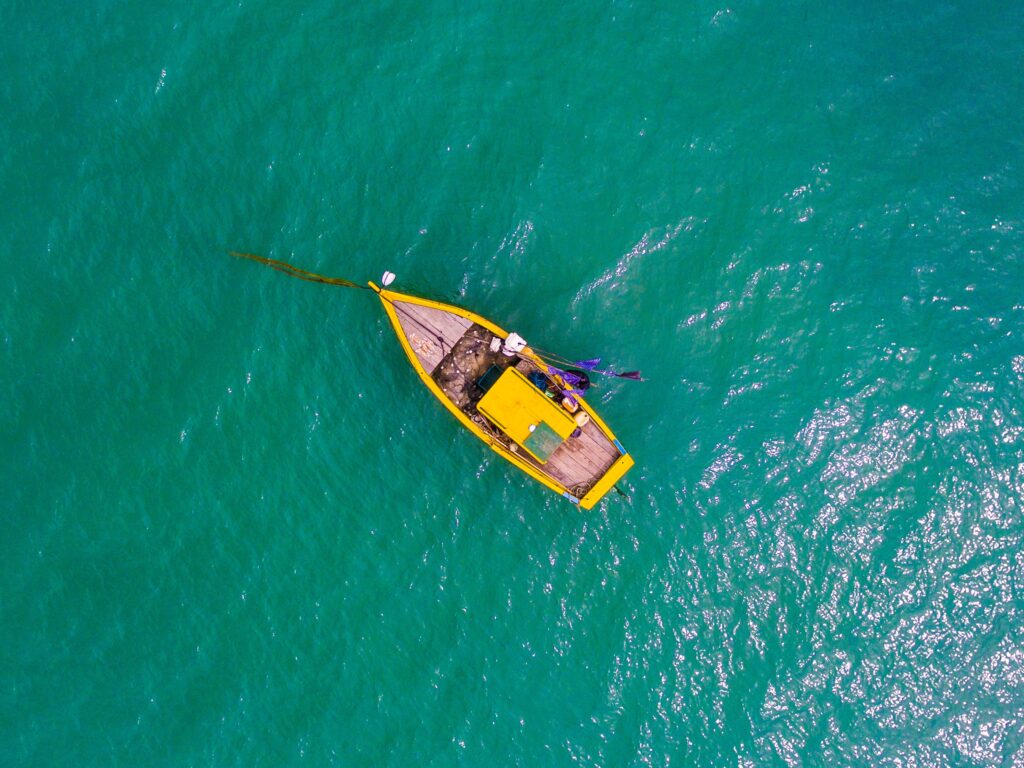
Notable_strategies_involving_pacific_spin_deliver_exceptional_fishing_results
- Notable strategies involving pacific spin deliver exceptional fishing results
- Understanding Lure Selection for Optimal Results
- Matching the Hatch: Identifying Prey Fish
- Mastering Retrieval Techniques: Bringing the Lure to Life
- The Stop-and-Go Retrieve: A Proven Method
- Identifying Prime Fishing Locations
- Reading the Water: Decoding the Signs
- Equipment Considerations for Effective Angling
- Adapting to Changing Conditions and Species
- Beyond the Basics: Advanced Techniques & Future Trends
Notable strategies involving pacific spin deliver exceptional fishing results
The realm of angling boasts a multitude of techniques, each designed to entice fish and achieve a successful catch. Among these, the method known as pacific spin stands out as a particularly effective and adaptable approach. It’s a versatile strategy employed by both seasoned professionals and enthusiastic amateurs, often yielding impressive results in a variety of aquatic environments. This method isn’t simply about casting a lure; it's a thoughtful blend of lure selection, retrieval techniques, and an understanding of fish behavior.
The core principle behind this angling style involves using spinning lures to mimic the movement of prey fish. This imitative action triggers a predatory response in target species, leading them to strike. Its effectiveness stems from the inherent appeal of a moving lure, simulating a vulnerable meal. Understanding the nuances of water currents, depth, and fish preferences allows anglers to fine-tune their execution, significantly increasing their chances of a rewarding experience. It’s a dynamic technique that demands attentiveness and adaptability.
Understanding Lure Selection for Optimal Results
Choosing the right lure is paramount when employing this particular angling method. The selection process isn't arbitrary; it’s based on a complex interplay of factors including target species, water clarity, and prevailing conditions. For example, in clear waters, lures that closely resemble natural prey, in terms of color and size, often prove most effective. Conversely, in murky conditions, lures with brighter colors and added vibrations can help fish locate them more easily. Different lure types, such as spoons, spinners, and crankbaits, each possess unique actions and will appeal to different species and fishing situations. A versatile tackle box is a necessity, allowing anglers to quickly adapt to changing circumstances.
Matching the Hatch: Identifying Prey Fish
A crucial aspect of successful lure selection is understanding the prevalent prey fish in the target area. This concept, known as ‘matching the hatch,’ involves choosing lures that mimic the size, shape, and color of the fish that the target species typically feeds on. Observing the local ecosystem – identifying the baitfish present – provides invaluable insight. Local tackle shops can also offer valuable advice on what lures are currently proving effective. Regularly checking forage composition helps refine lure choices, ensuring the offering is as realistic as possible. This level of detail often makes a substantial difference in the number of strikes received.
| Lure Type | Water Clarity | Target Species (Example) | Optimal Conditions |
|---|---|---|---|
| Spoons | Clear to Moderate | Trout, Salmon | Sunny days, moderate current |
| Spinners | Moderate to Murky | Bass, Pike | Overcast skies, slower moving water |
| Crankbaits | All | Walleye, Crappie | Variable, depends on lure depth |
| Jigs | All | Perch, Bluegill | Structure, near vegetation |
The table above shows appropriate lure selection based on different aspects of the fishing environment. It highlights the importance of adapting to the conditions to improve your chances of success.
Mastering Retrieval Techniques: Bringing the Lure to Life
Simply casting a lure isn’t enough; the way it’s retrieved plays a critical role in attracting fish. Various retrieval techniques can impart different actions to the lure, mimicking the swimming patterns of live prey. A straight retrieve is a basic technique, suitable for covering water quickly. However, incorporating pauses, twitches, and changes in speed can dramatically enhance the lure’s appeal. Varying the depth at which the lure is presented is also crucial. Bottom bouncing, slow rolling along the seabed, or keeping the lure higher in the water column all present different temptations to potential catches. Experimentation is key to discovering what works best in specific environments.
The Stop-and-Go Retrieve: A Proven Method
The stop-and-go retrieve is a particularly effective technique, simulating an injured or vulnerable prey fish. This involves alternating between periods of steady retrieval and brief pauses. During the pause, the lure will often sink or flutter, creating an enticing action that triggers strikes. The duration of the pauses can be adjusted based on the fish's activity level; shorter pauses for aggressive fish and longer pauses for more cautious ones. This technique is incredibly versatile and can be used with various lure types. It's particularly effective with soft plastic lures and crankbaits, making them appear more natural in the water.
- Vary retrieval speed to simulate different prey behaviors
- Incorporate pauses to create a vulnerable presentation
- Experiment with twitching the rod tip for added action
- Adjust the depth of the lure to target different areas
- Pay attention to the current and how it affects lure movement
Utilizing these elements of the stop-and-go retreival will increase your chances of success when using this angling style. It is an effective method that can be adopted and refined to suit different water conditions.
Identifying Prime Fishing Locations
Knowing where to fish is just as important as knowing how to fish. Certain locations consistently attract fish due to various factors, including structure, depth, and food availability. Areas with underwater structures, such as submerged logs, rocks, and weed beds, provide cover for fish and attract baitfish. Drop-offs and ledges create areas of varying depth, concentrating fish as they move between feeding grounds. Areas where tributaries enter larger bodies of water often experience increased nutrient flow, supporting a greater abundance of life. Reading the water – observing current patterns, surface disturbances, and the presence of baitfish – is a valuable skill that allows anglers to pinpoint likely holding areas.
Reading the Water: Decoding the Signs
Successfully reading the water involves paying attention to subtle clues that indicate the presence of fish. Look for areas with current seams, where faster and slower currents meet. These seams often concentrate baitfish, attracting predators. Surface disturbances, such as ripples or swirls, can indicate fish feeding or moving beneath the surface. The presence of birds diving or congregating can also be a sign of fish activity. Observing these signs requires patience and attentiveness, but the rewards can be substantial. Using polarized sunglasses helps reduce glare and allows for better visibility into the water, making it easier to spot structure and fish.
- Identify areas with structure (rocks, logs, weeds)
- Locate drop-offs and ledges with varying depths
- Look for current seams and areas of convergence
- Observe the presence of baitfish or feeding birds
- Use polarized sunglasses to improve visibility
These steps will help improve your ability to read the water column and select the best potential fishing locations. When applied consistently, it will enhance your overall angling experience.
Equipment Considerations for Effective Angling
Choosing the right equipment is critical for maximizing success. A spinning rod and reel combination is the standard choice for this particular angling method, offering versatility and ease of use. Rod length and action depend on the target species and the size of the lures being used. A medium-light to medium rod is a good all-around choice for most freshwater applications. The reel should have a smooth drag system and a sufficient line capacity. Braided line is often preferred for its strength and sensitivity, allowing for better lure control and hooksets. Utilizing high-quality line and tackle is a worthwhile investment, as it improves performance and reduces the risk of losing fish.
Adapting to Changing Conditions and Species
The most successful anglers are those who can adapt to changing conditions. Weather patterns, water temperature, and fish behavior are all dynamic factors that influence fishing success. Cloudy days may require using brighter lures, while sunny days may call for more natural presentations. Changes in water temperature can affect fish metabolism and activity levels. Understanding these relationships allows anglers to adjust their strategies accordingly. Different species also require different approaches. Targeting trout will necessitate different techniques and lure selections compared to targeting bass or pike. Continual learning and experimentation are essential for becoming a well-rounded angler.
Beyond the Basics: Advanced Techniques & Future Trends
While the fundamentals of this angling method are relatively straightforward, there's always room for refining and expanding skills. Advanced techniques like using different leader materials, incorporating scent attractants, and mastering specific knot tying can significantly elevate performance. The integration of technology, such as fish finders and underwater cameras, is also becoming increasingly popular, providing anglers with valuable insights into underwater conditions. Innovations in lure design, materials, and action are continually emerging, pushing the boundaries of what's possible. This dynamic landscape requires a commitment to continuous learning and adaptation.
Looking ahead, sustainable angling practices will become increasingly important. Responsible catch-and-release techniques, minimizing environmental impact, and advocating for healthy aquatic ecosystems are crucial for preserving this rewarding activity for future generations. The future of angling lies in embracing innovation while remaining mindful of our responsibility to protect and conserve our precious aquatic resources, and the continued refinement of techniques like the careful application of this effective method.