
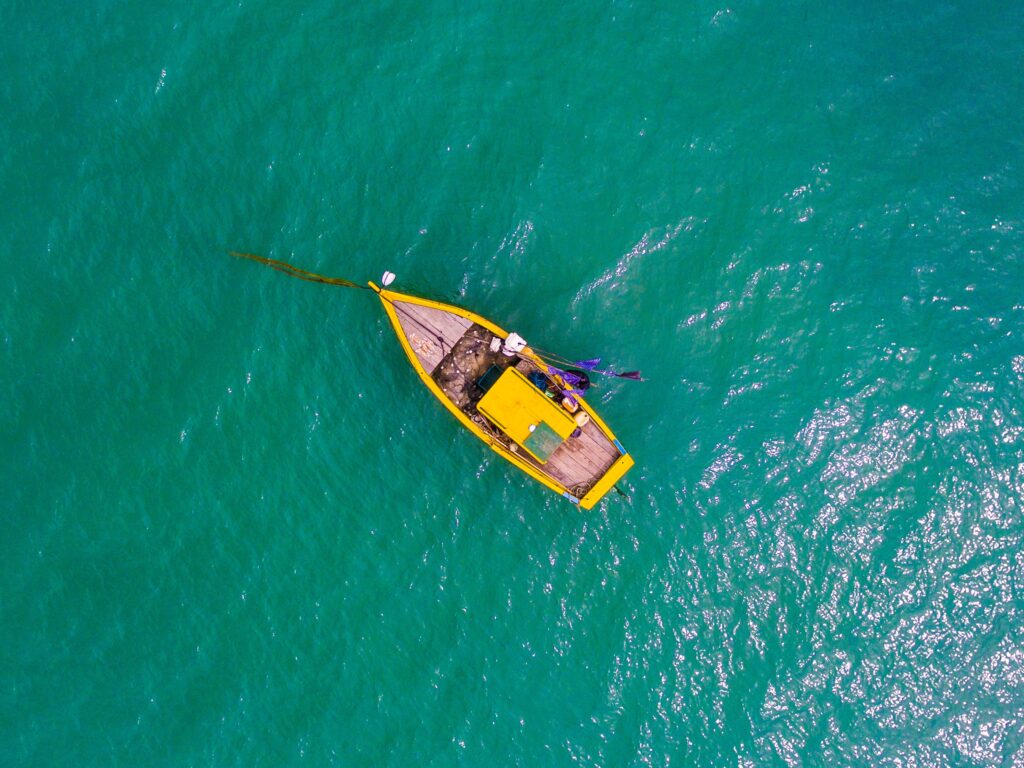
Creative angling techniques explored with fishing-frenzy.org.uk and proven bait strategies
- Creative angling techniques explored with fishing-frenzy.org.uk and proven bait strategies
- Understanding Bait Presentation and Fish Behavior
- The Role of Scent and Visual Stimuli
- Mastering Different Angling Techniques
- The Importance of Knot Tying
- Understanding Water Conditions and Fish Habitats
- Identifying Prime Fish Habitats
- The Ethical Angler and Conservation
- Beyond the Catch: The Holistic Benefits of Angling
Creative angling techniques explored with fishing-frenzy.org.uk and proven bait strategies
For angling enthusiasts seeking a comprehensive resource to elevate their fishing game, look no further than a site dedicated to the art and science of catching fish. A well-curated platform provides access to a wealth of information, from beginner's guides to advanced techniques, ensuring there’s something for everyone, regardless of experience level. It’s about more than just catching a fish; it’s about understanding the environment, respecting the wildlife, and enjoying the tranquility of being outdoors. Resources like fishing-frenzy.org.uk offer a dynamic community where anglers can share knowledge, tips, and experiences, fostering a love for the sport and promoting responsible angling practices.
The pursuit of fish is an age-old pastime, evolving with technologies and personal experiences. Modern angling encompasses a wide range of approaches, from traditional fly fishing to the latest in lure technology and underwater observation. Understanding fish behavior, seasonal patterns, and the nuances of different fishing environments are key to success. Beyond the technical aspects, the enjoyment stems from the challenge, the connection with nature, and the camaraderie shared among fellow anglers. A dedicated resource streamlines this learning process, offering a centralized hub for all angling needs.
Understanding Bait Presentation and Fish Behavior
Effective bait presentation is arguably the single most important factor in successful angling. It's not simply about what bait you use, but how you present it to the fish. Different species respond to different presentations, influenced by their feeding habits and the aquatic environment. For instance, a bottom-feeding species like catfish will be attracted to baits presented directly on the lake or riverbed, while a predatory species like pike will be more inclined to strike at a lure that mimics a fleeing prey fish. The color, size, and movement of the bait all contribute to its appeal. A subtle flick of the wrist can create a lifelike action that triggers a strike, while an overly aggressive presentation might spook wary fish. Understanding the prevailing conditions – water clarity, current speed, and temperature – is crucial for adapting your presentation and maximizing your chances of success. Consider using natural baits like worms or minnows, or artificial lures which mimic their appearance and movement.
The Role of Scent and Visual Stimuli
Fish rely heavily on both scent and visual stimuli to locate and identify potential food sources. Scent is particularly important in murky water or low-light conditions, where visibility is reduced. Many anglers utilize scent attractants – commercially available sprays or dips – to enhance the appeal of their baits. These attractants often mimic the natural odors of fish food, such as crustaceans or insects. However, it’s important to use scent attractants sparingly, as excessive amounts can actually deter fish. Visual stimuli, on the other hand, are more effective in clear water. Brightly colored lures or baits with shimmering scales can be highly visible and attract attention. Matching the bait’s color to the natural forage present in the water is a common strategy for improving effectiveness. Experimentation is key to determining which combination of scent and visual stimuli works best in a given situation.
| Bait Type | Target Species | Presentation Technique | Water Conditions |
|---|---|---|---|
| Worms | Trout, Bass, Catfish | Bottom-rigged, floated | Clear to slightly murky |
| Minnows | Pike, Walleye, Bass | Live-lined, jigged | Clear to moderate |
| Spinners | Salmon, Trout, Pike | Casting and retrieving | Clear, flowing water |
| Crankbaits | Bass, Walleye, Pike | Casting and retrieving at varying depths | Moderate to clear |
Choosing the right bait and presenting it effectively is a dynamic process. It is essential to continually assess the situation and adjust your approach accordingly. This is where platforms such as fishing-frenzy.org.uk can really help, providing up to date guidance.
Mastering Different Angling Techniques
Angling encompasses a vast array of techniques, each suited to different species, environments, and angler preferences. Fly fishing, with its elegant casting motions and intricate fly patterns, is often considered the most artistic form of angling. It typically targets trout and salmon in rivers and streams, requiring a delicate touch and a thorough understanding of insect life. Spin fishing, a more versatile technique, utilizes artificial lures to attract predatory fish. It's effective in a wide range of environments, from lakes and rivers to coastal waters. Bottom fishing, as the name suggests, involves presenting baits on the bottom of the water column, targeting species like catfish and carp. It's a relatively simple technique, but patience and a good understanding of bottom structure are essential. Surf fishing, practiced from beaches, targets species that inhabit the coastal surf zone, such as striped bass and bluefish. Each of these techniques demands specific gear, skills, and knowledge. Regular practice and a willingness to experiment are crucial for mastering them.
The Importance of Knot Tying
Regardless of the angling technique employed, proficient knot tying is paramount. A poorly tied knot can result in a lost fish, a broken line, or even injury. There are numerous knots used in angling, each suited to a specific purpose. The Palomar knot is renowned for its strength and reliability, making it a popular choice for tying lines to hooks and swivels. The improved clinch knot is another versatile option, commonly used for attaching line to lures. The blood knot is used to join two lines of similar diameter, while the surgeon’s loop knot is ideal for creating loops in the line. Learning to tie these knots correctly and practicing consistently is an investment in angling success. Resources online can provide step by step guides to ensure proper execution, and fishing-frenzy.org.uk offers tutorials.
- Always use a knot appropriate for the line and hook material.
- Moisten the knot before tightening to reduce friction.
- Trim excess line closely after tying the knot.
- Test the knot’s strength before casting.
- Regularly inspect knots for wear and tear.
Skillful technique, combined with quality equipment, significantly increases the likelihood of a successful angling experience. Thorough preparation and continuous learning are hallmarks of dedicated anglers.
Understanding Water Conditions and Fish Habitats
Fish are intrinsically linked to their environment. Understanding water conditions and habitat preferences is fundamental to locating and catching them. Water temperature plays a crucial role, as it affects fish metabolism, activity levels, and spawning behavior. Different species thrive in different temperature ranges. Water clarity influences feeding patterns and the effectiveness of various bait presentations. In murky water, fish rely more on scent and vibration to locate prey, while in clear water, they rely more on sight. Current speed affects the distribution of food and oxygen levels. Fish often congregate in areas where currents create eddies and pools, providing ample food and shelter. Water depth is also a critical factor, as different species occupy different depths depending on their feeding habits and predator avoidance strategies. Recognizing subtle changes in water conditions, such as a sudden drop in temperature or a shift in current direction, can provide valuable clues about fish location and activity. Using sonar or depth finders can help locate underwater structures and identify potential fish holding areas.
Identifying Prime Fish Habitats
Prime fish habitats often share common characteristics. Submerged vegetation provides cover and attracts baitfish, creating a food source for larger predators. Rock piles and submerged timber offer structural complexity, providing shelter and ambush points. Drop-offs and ledges create changes in depth, attracting fish seeking refuge or feeding opportunities. Areas near inlets and outlets often experience increased current and oxygen levels, attracting fish activity. Understanding the interplay between these elements and recognizing the specific habitat preferences of your target species is key to locating fish. Pay attention to the presence of baitfish, as they often indicate the presence of larger predators. Observing the behavior of other wildlife, such as birds or otters, can also provide clues about fish location. Spending time exploring different areas and paying attention to the details of the environment will greatly enhance your angling success.
- Research the preferred habitats of your target species.
- Look for areas with structural complexity – weeds, rocks, timber.
- Pay attention to changes in depth and current.
- Observe the presence of baitfish and other wildlife.
- Utilize sonar or depth finders to identify underwater structures.
Successful angling requires a holistic understanding of the aquatic ecosystem and the factors that influence fish behavior. Applying these insights will undoubtedly enhance your enjoyment and success on the water.
The Ethical Angler and Conservation
Responsible angling practices are vital for ensuring the long-term health of fish populations and the sustainability of the sport. Catch and release fishing, when practiced correctly, minimizes harm to fish and allows them to reproduce. Handling fish carefully, keeping them wet, and minimizing air exposure are crucial for increasing their chances of survival. Using barbless hooks or crimping down the barbs on existing hooks can also reduce injury. Adhering to all fishing regulations, including size and creel limits, is essential for maintaining healthy fish stocks. Respecting the environment by packing out all trash and avoiding disturbance to sensitive habitats is a fundamental responsibility of every angler. Supporting conservation organizations that work to protect and restore fish habitats is another way to contribute to the sustainability of the sport. Promoting ethical angling practices and educating others about the importance of conservation are essential for preserving this cherished pastime for future generations.
Beyond the Catch: The Holistic Benefits of Angling
Angling offers far more than just the thrill of the catch. It’s a compelling opportunity to disconnect from the stresses of modern life and reconnect with nature. The peaceful surroundings, the rhythmic casting motions, and the anticipation of a strike can be incredibly therapeutic. It's a chance to challenge yourself, hone your skills, and learn about the natural world. Angling fosters patience, perseverance, and a deep appreciation for the environment. It offers opportunities for social interaction, whether you’re fishing with friends and family or connecting with fellow anglers in online forums or at local fishing events. The sense of accomplishment that comes with landing a fish, combined with the beautiful scenery and the fresh air, creates a uniquely rewarding experience. Websites like fishing-frenzy.org.uk offer camaraderie and shared experiences, extending this enjoyment beyond the water’s edge.
Moreover, angling can contribute to local economies through the purchase of equipment, licenses, and accommodations. By supporting local businesses and participating in responsible tourism, anglers can help sustain the communities that rely on healthy fish populations and thriving ecosystems. It's a recognition that angling is part of a larger system, one where the wellbeing of the environment and the prosperity of local communities are inextricably linked.